
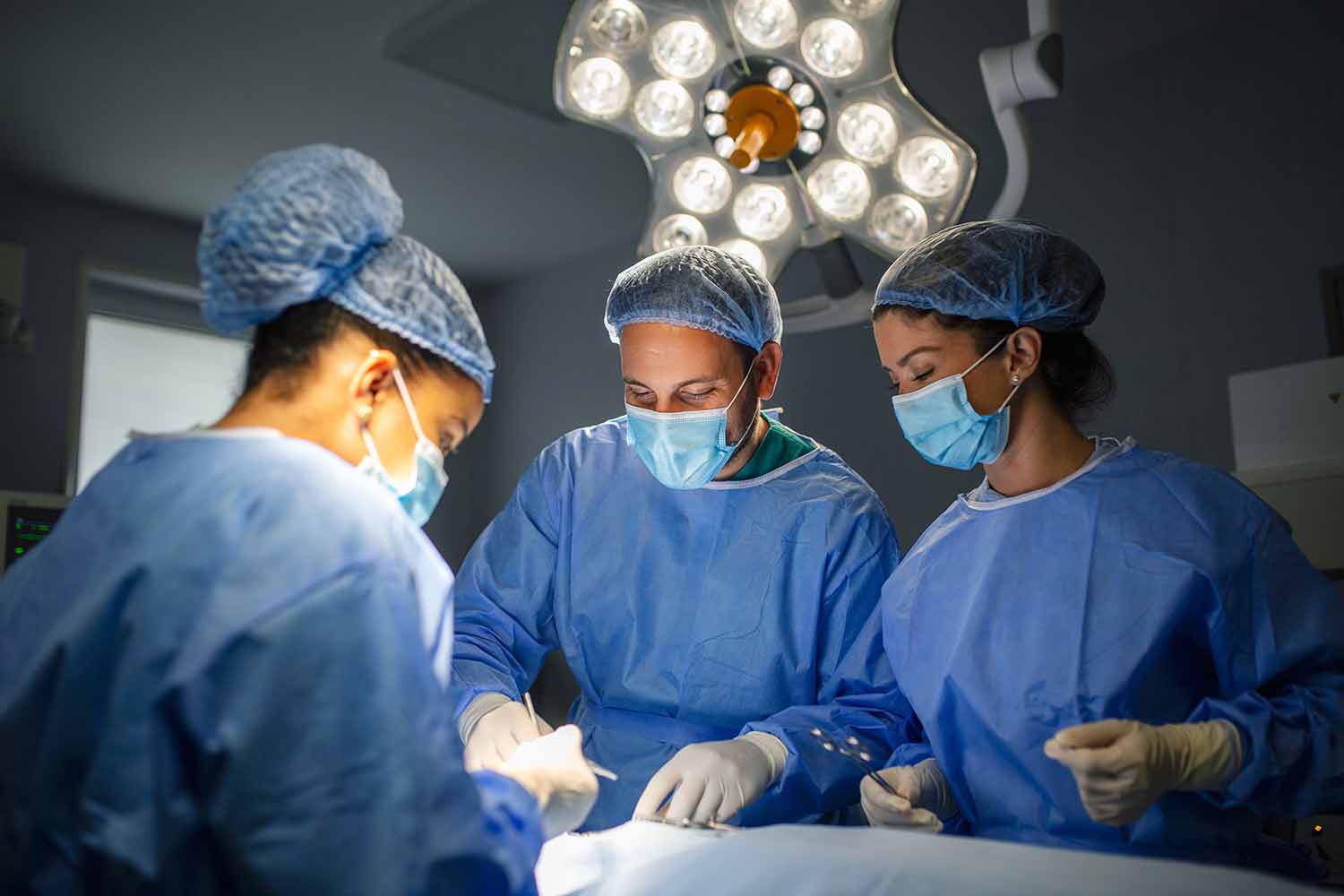
When surgery is suggested, the most important issue is: Is this the best site for safe, high-quality care?
It’s not just about the hospital’s reputation or infrastructure when you choose a general surgery hospital; it’s also about the standards. Standards that are clear and easy to measure that keep patients safe before, during, and after operation.
Patients may make smart, confident choices when they know what quality surgical treatment really means. This is especially true when they trust a general surgeon with their health.
What Makes General Surgical Care Good?
There isn’t just one thing that makes surgery good. It’s a way of doing things.
High-quality surgical care makes sure that:
- Correct diagnosis
- Making the right choice about surgery
- Safe ways to do surgery
- Follow-up and healing go smoothly
A good general surgery facility builds this quality into every phase of the patient’s journey.
1. A Good Checkup Before Surgery
Before the surgery, the basis of good surgery is laid.
A responsible general surgeon always puts the following first:
- A thorough clinical exam
- Relevant tests and pictures
- It is clear that surgery is necessary.
Unnecessary surgery is bad care.
Good surgical standards stress the right indication, not speed.
Patients should always get:
- A clear description of the diagnosis
- Talk about non-surgical options (if there are any)
- Honest solutions to worries and questions
2. General surgeons who are skilled and qualified
Without the correct knowledge, no hospital standard matters.
A good general surgeon brings:
- Training and expertise in surgery that is official
- Understanding practices based on evidence
- Able to handle both simple and complicated cases
- Making decisions with good judgment
Communication is just as crucial. Surgeons who are good at their jobs describe operations, dangers, and recuperation in a way that patients can grasp.
3. Safe surgical infrastructure
A reliable general surgery facility has tight rules for its infrastructure.
These are:
- Fully stocked operating rooms
- Protocols for keeping infections from spreading and sterile settings
- Support for modern anesthesia
- Backup systems for emergencies
Systems and talent are both important for surgical safety. Hospitals that are good at what they do keep these standards up to date all the time.
4. Following the rules for surgical safety
There are reasons why surgical checklists and protocols are used all around the world: they save lives.
Here is what good surgical treatment looks like:
- Safety checks before surgery
- Verifying the patient's identification and the procedure
- Safety rules for anesthesia
- Monitoring during surgery
Surgical problems are much less likely to happen in hospitals that follow conventional safety procedures.
5. Using surgical methods that are based on evidence
Surgery changes along with medicine.
A good general surgery hospital makes sure that:
- Current medical evidence is used to make decisions on procedures.
- Surgeons obey new rules.
- We choose techniques based on what is best for the patient, not what is easiest.
The decision to utilize open or minimally invasive surgery should always be based on medical reasons.
6. Standards for cleanliness and infection control
Infection control is one of the most important signs of good surgery.
Strong standards are:
- Strictly cleaning tools
- Clean operating rooms
- Rules for keeping hands clean
- Using antibiotics correctly
Infections that happen after surgery are mostly avoidable, and hospitals that focus on quality work hard to lower this risk.
7. Full Care After Surgery
The operation isn’t over after the surgery is over.
Part of good care is:
- Regular checks after surgery
- Good pain management
- Finding problems early
- Easy-to-understand discharge instructions
A skilled general surgeon stays involved even after surgery to make sure the patient is safe, comfortable, and on track with their recovery.
8. Clear communication with patients
One important quality indicator is openness.
Patients should always get:
- A clear explanation of the risks and advantages
- When you think you'll be better
- Possible problems and warning indicators
- Follow-up and help advice
Good surgical care treats patients as partners, not just people who get the surgery.
9. Surgery that is moral
Ethics are very important for quality.
A trustworthy general surgery hospital does the following:
- Making decisions with the patient in mind
- No push to have needless procedures
- Truthful conversation about results
- Respect for the patient's decision and consent
Doing the right thing creates trust over time and leads to better results.
10. Ongoing Quality Improvement and Monitoring
The finest hospitals don’t think they’re perfect; they measure and make things better.
Hospitals that care about quality:
- Check the results of surgeries on a regular basis
- Keep an eye on complication rates
- Change protocols based on results
- Encourage learning and training for the team
This culture of improvement is what makes good care better than mediocre care.
What to Look for in a General Surgery Hospital
Patients should look beyond ads when choosing a surgery center.
Important signs are:
- General surgeons with a lot of experience
- Clear counseling before surgery
- Well-kept, clean spaces
- Planning treatment that is clear
- Care after surgery that is helpful
It’s not hard to ask questions; it’s the right thing to do.
Why Quality Standards Are So Important
Surgery doesn’t just change the body; it also changes confidence, recuperation, and quality of life.
High requirements for surgery:
- Make things easier
- Get better at recovering
- Cut down on hospital stays
- Gain the trust of your patients
It’s important to do surgery correctly the first time.
Conclusion
Quality in general surgical care is not by chance; it is intentional.
A good general surgery hospital has skilled general surgeons, safe systems, ethical practices, and care that puts the patient first all working together. When these conditions are reached, surgery is not only effective, but also comforting.
Patients feel more in control when they know these norms.
Hospitals are responsible for keeping them up.
Quality is not an option in surgical care; it is the standard that every patient deserves.